“we have a lot of positive feedback from people who have waited for this for 30 years. They will actually say, ‘It reminds us of the 90s,’ and that’s very important for us.”
VINTERLAND
———————————
EXCLUSIVE INTERVIEW (2026)
———————————
Burning brightly, but all too briefly, during the mid-90s, Vinterland were part of a group of now-revered Swedish bands who carved their name into black metal history during that decade. Like their peers, which included Dissection, Dawn, and Sacramentum, their sound combined icy melodies with frantic riffing and fast-paced percussion, death metal touches, and a notably melancholic yet epic atmosphere.
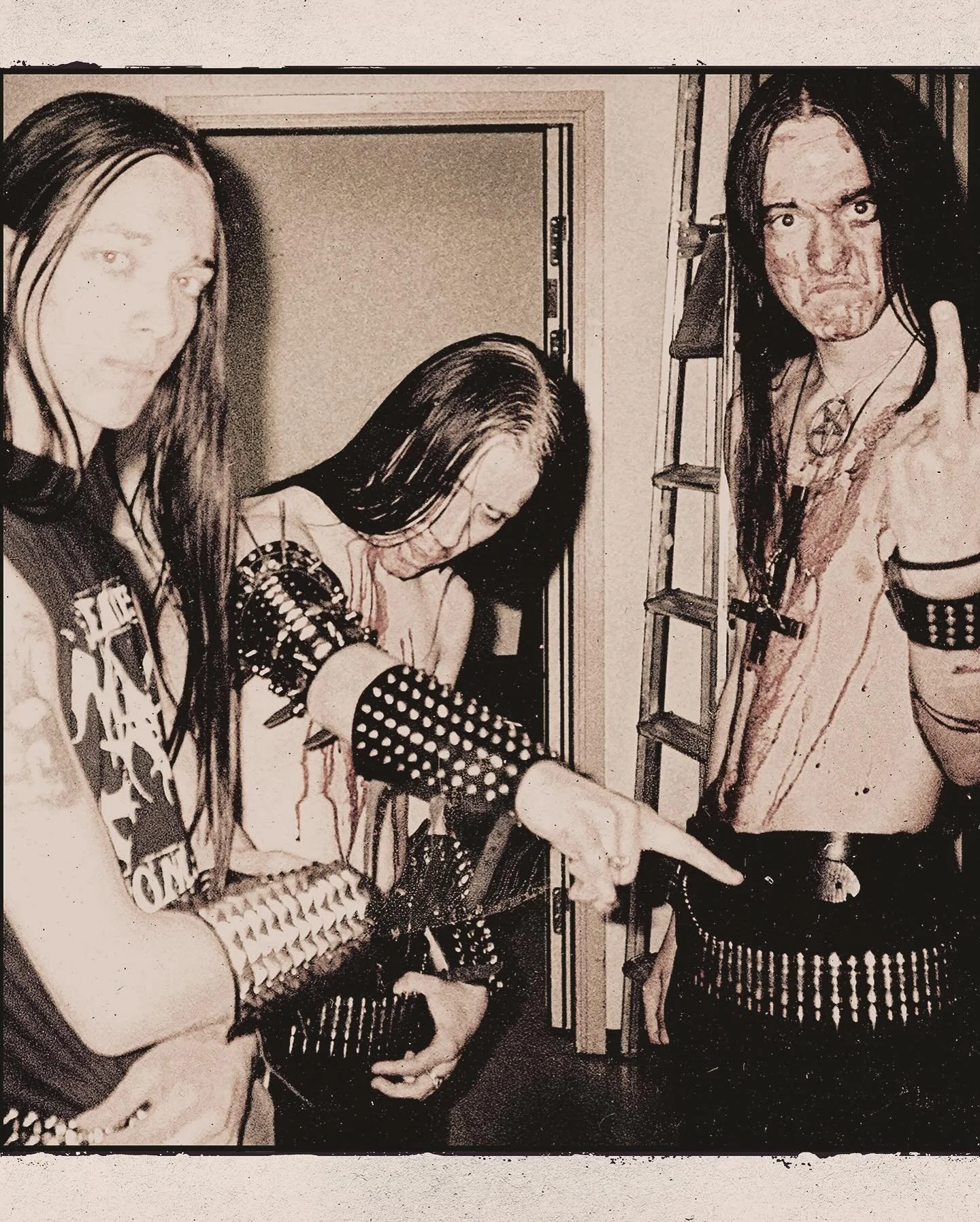
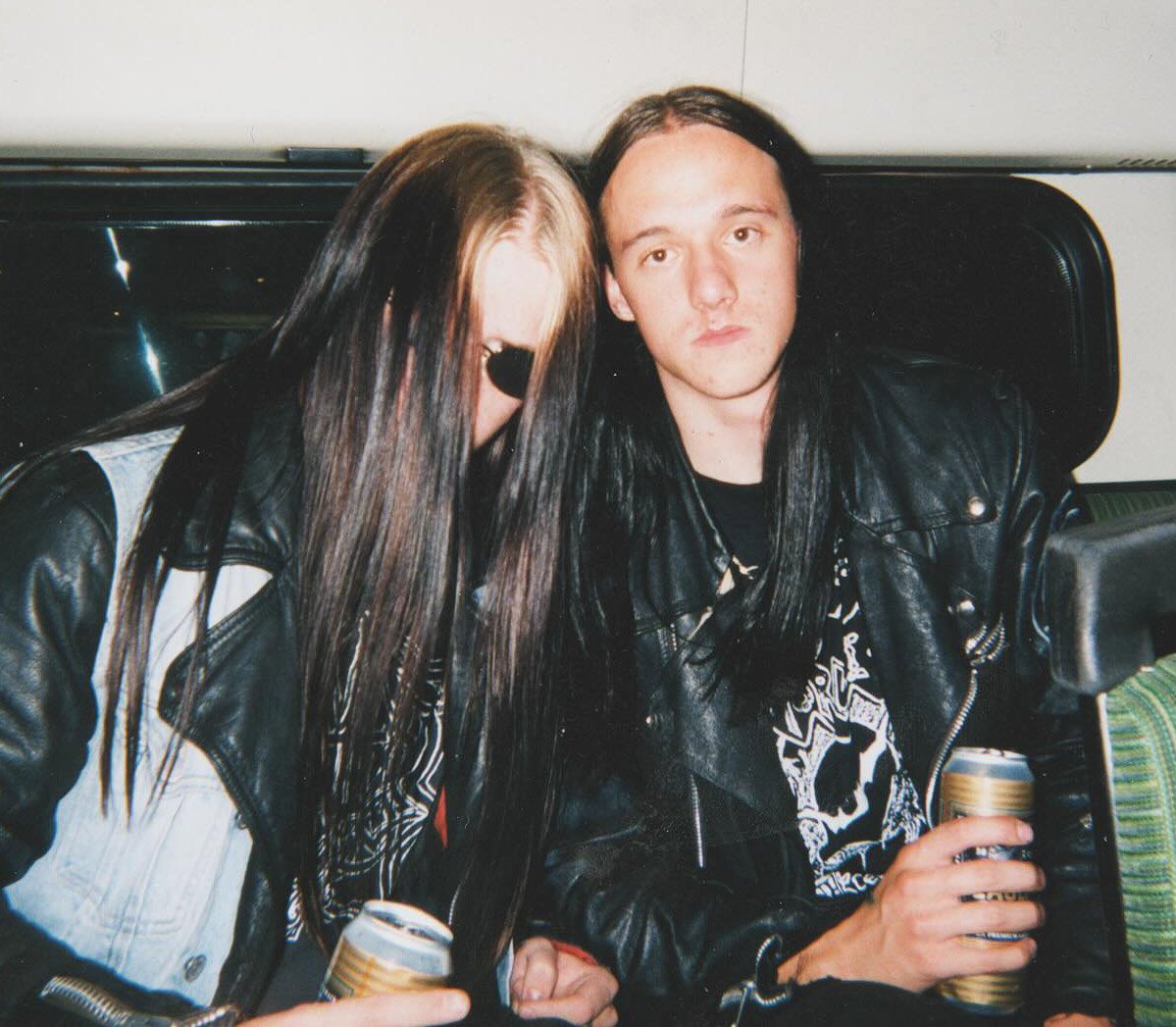
Comprised of bassist, guitarist and vocalist Daniel Forn Bragman (later of The Black, Tyrant and Iron Lamb), drummer Andreas Jonsson (also of The Black and Tyrant, as well as NunFuckRitual) and guitarist/backing vocalist Pehr Larsson (Maze of Torment and later Alfahanne) the band released two demos in 1994 and a single studio album, 1996’s Welcome My Last Chapter, before imploding the following year.
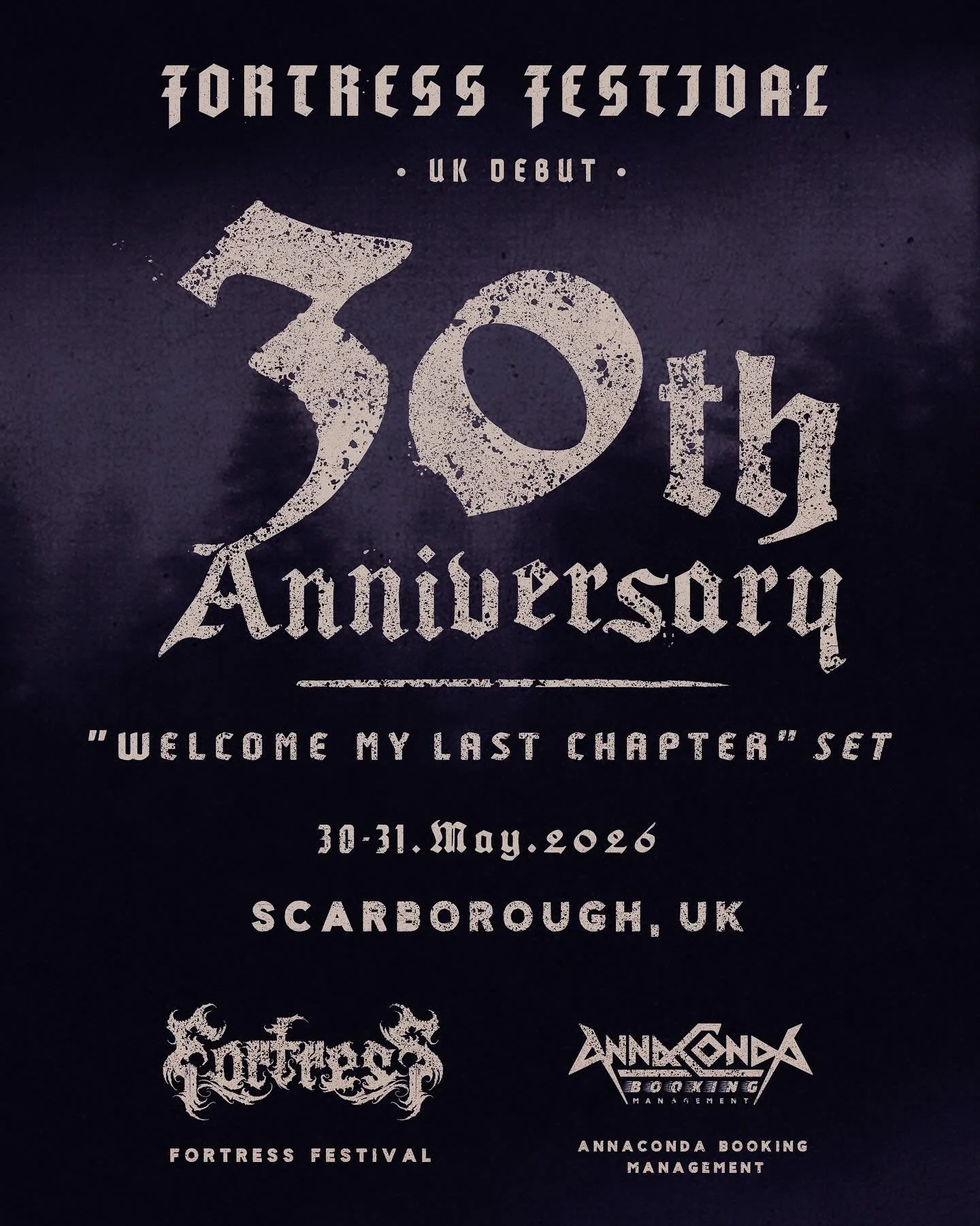
Fast-forward 30 years, and the three men have reunited for a run of special anniversary shows, including an appearance at 2026’s Fortress Festival on the shores of Scarborough in Northern England. We caught up with our old comrade Andreas Jonsson to find out what to expect from Vinterland there, and, indeed, moving forward.
Cult Never Dies: When we did our last interview, the band was essentially on hiatus, and I remember you told me you would probably never play again and that the band was finished – now, happily, Vinterland seems to be at least semi-active again?
Andreas Jonsson: “It was really uncertain back then – we actually told each other, ‘No, it’s not going to happen again.’ We felt that it might, but we didn’t have anyone asking, ‘Can you do this? Do you want to play?’ We just felt that whatever comes around, if it’s good enough, maybe we will see what we can do with it, like we did with Wave Gotik Treffen Fest in 2011 and Maryland Death Fest in 2013. Then it was like, ‘Yeah, we have to do this,’ and we thought that it would be kind of a turning point, a chance to start over again. But it never was really.”
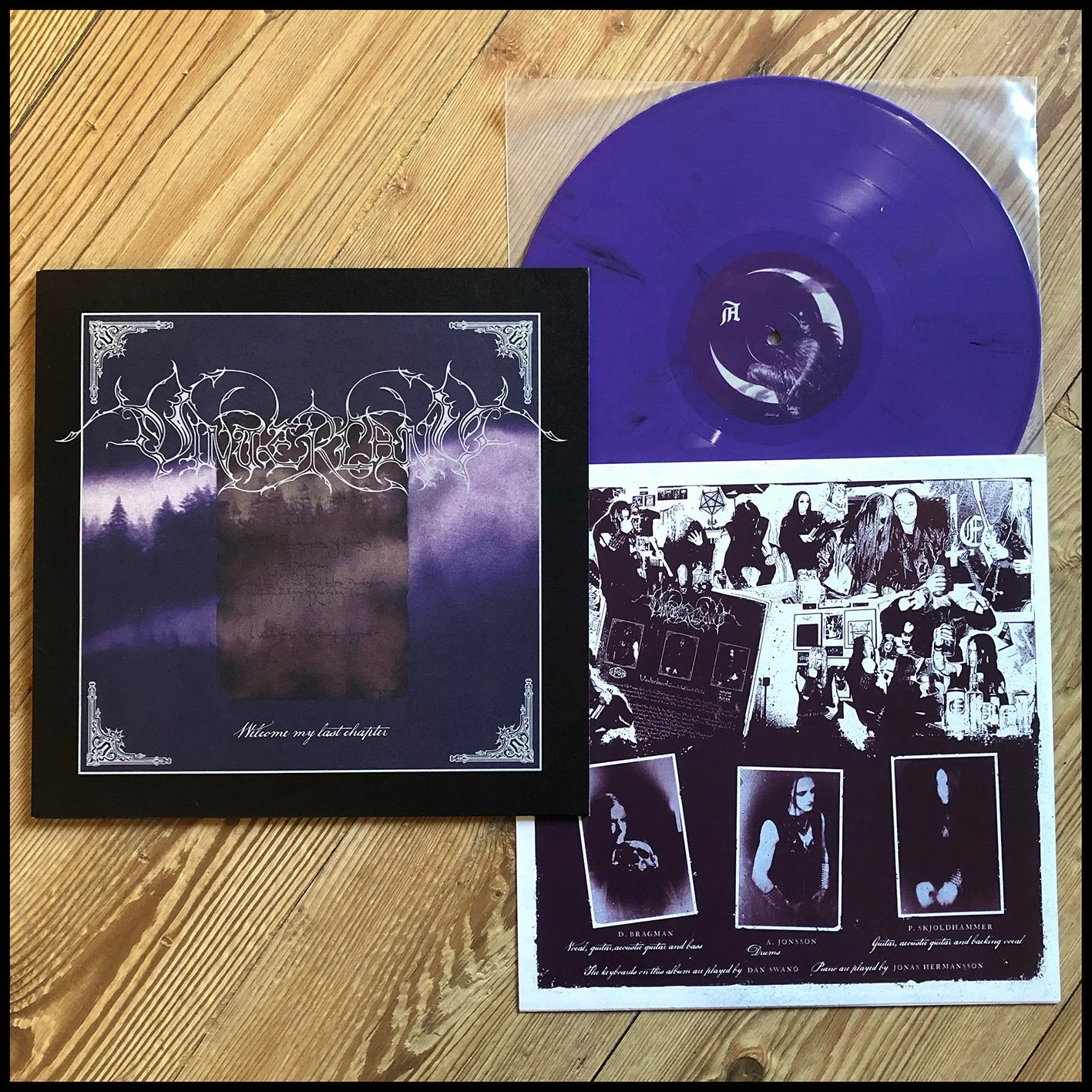
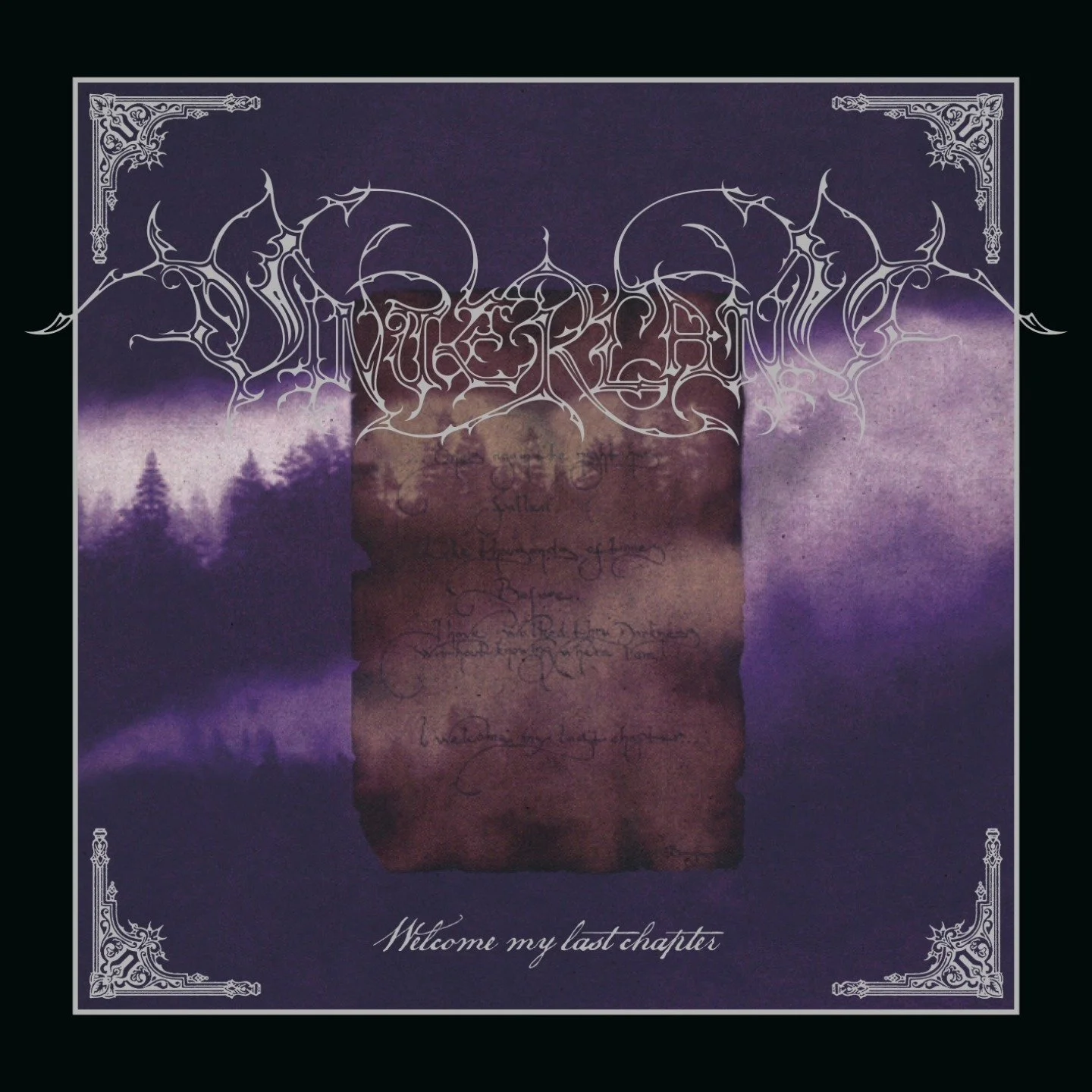
Has the 30th anniversary rerelease of Welcome My Last Chapter propelled things forward somewhat? We’ve continued to steadily sell CDs, vinyl and shirts of the album over the last few years, and I feel it’s notable that there is that level of interest in a band that existed for such a brief period of time and so long ago.
“Even Sound Pollution were not prepared for the demand, actually, because the first press of the rerelease sold out in the pre-orders. It was a bit overwhelming; we really weren’t expecting such a great response. We got a lot of emails and messages saying, ‘Hey, where’s my order?’ or ‘When can we expect this to be in stock again?’ I don’t think we saw that coming.”
I was thinking you might have a somewhat complicated relationship with Welcome My Last Chapter, and Vinterland in general, being tied to this entity you created as young men three decades ago – a different lifetime, almost.
“It is strange because, when we recorded the album and released it, we thought, ‘Let’s try and make this big.’ You know, we had these plans, but I don’t think we saw that we were already on the verge of breaking up. We had a couple of new songs, and all of a sudden, it just fell apart. We had really different views on where we should go and what we should do – we had Nuclear Blast contacting us and saying, ‘Hey, guys, we want to sign you,’ and we were like, ‘Yeah, but we don’t even have a band.’ Being a three-piece as well – knowing that it was only us who were going to do this, that we weren’t going to bring any other people in – that was the end of that. We didn’t connect for quite a few years; there was no bad blood, but we didn’t reconnect until 2011 and 2013. But now it feels, in one way, natural to do it. And we were talking about it, and the chemistry is feeling better than it ever has felt.”
Would you ever consider making new music as Vinterland?
“Yes, we are considering it. We brought in Jimmy Wiberg from Alfahanne – he’s a longtime friend of the band, and a great bass player – as [previous live bassist] Fredrik [Sööberg, also of Alfahanne] doesn’t live in the same town as we do anymore. So we can now also rehearse as a proper band, which has helped a lot, and we are constantly sharing ideas. There are no proper songs ready yet, but yeah, our goal is to release something new.”
It seems like this would be the best time to do it, given the wave of interest generated by the anniversary and reunion shows.
“Sooner or later, you have to discuss, ‘Okay, is this worth doing? Are we feeling it live together? Do we have what it takes to create some new music?’ And at least for now, we think that we do. I’m very positive about writing some new stuff and recording it.”
That’s good news! So are these anniversary shows the first time you’ve played as Vinterland since you performed at Maryland Deathfest?
“Braincrusher Festival in March was the first time since 2013. And there is still room for a lot of improvements, I think. Some of the material has aged pretty well, some other stuff, we all feel that it might not have aged that well.”
I’m of course interested to know which material you feel has aged well and which you feel hasn’t…
“Some of the heavier, more atmospheric stuff... those parts really work well live, we think. It sounds a bit harsher and rawer live, not as clean as on the album, with the acoustic guitars and stuff like that. But that’s where I think we feel the spark to create some new music that is really atmospheric, but maybe not as melodic and as riff-based, like we don’t need to have 25 riffs in a song now.”
So you think the old songs are more melodic than the sort of material you would write now?
“Yeah. The last two songs we wrote before the album was even released were a lot less melodic – they were still melodic, but a bit darker. I would say that it’s still heavily influenced by bands such as Dissection. Some of the songs, like ‘A Castle So Crystal Clear’ – it’s pretty old, so it’s a classic song for many people, but it’s a bit worn out for us.”
That’s interesting, as I think one of the defining factors of bands like Vinterland, Dissection, Dawn and so on, was the use of melody and catchy riffs. It feels like melody became less acceptable within the traditional black metal scene as the years went by, at least outside of the more commercial end of the spectrum. I think a lot of classic black metal – the 90s Swedish stuff, but also material by bands like Emperor and Rotting Christ – would be considered notably melodic if it were released now, whereas at the time, it was accepted alongside the more brutal bands. I wonder if that’s part of the reason your music is considered so timeless, because that kind of songwriting has disappeared a little bit.
“Yes, it did. And when you’re so in the midst of things, you don’t really see it in that way. And that’s also something that I’ve seen recently, us playing gigs only with bands that are not really melodic. A lot of people come up to us and say, ‘Hey, this is so unique.’ And I don’t think it is unique.”
It’s unique now, maybe.
“You can say that. Yeah, it’s more of a unique thing now. But I’ve never seen anything unique in Vinterland. But now, 30 years later, I get why people like the album so much. In the beginning or at the start? No, not so much. But now I really do get why people like it. And it’s incredible: It’s been 30 years, and people pay attention to a band’s only album. So we’re very humble, and we think it’s really great to be able to play festivals and get out there.”
Do you know much about the venue used for Fortress and the festival overall?
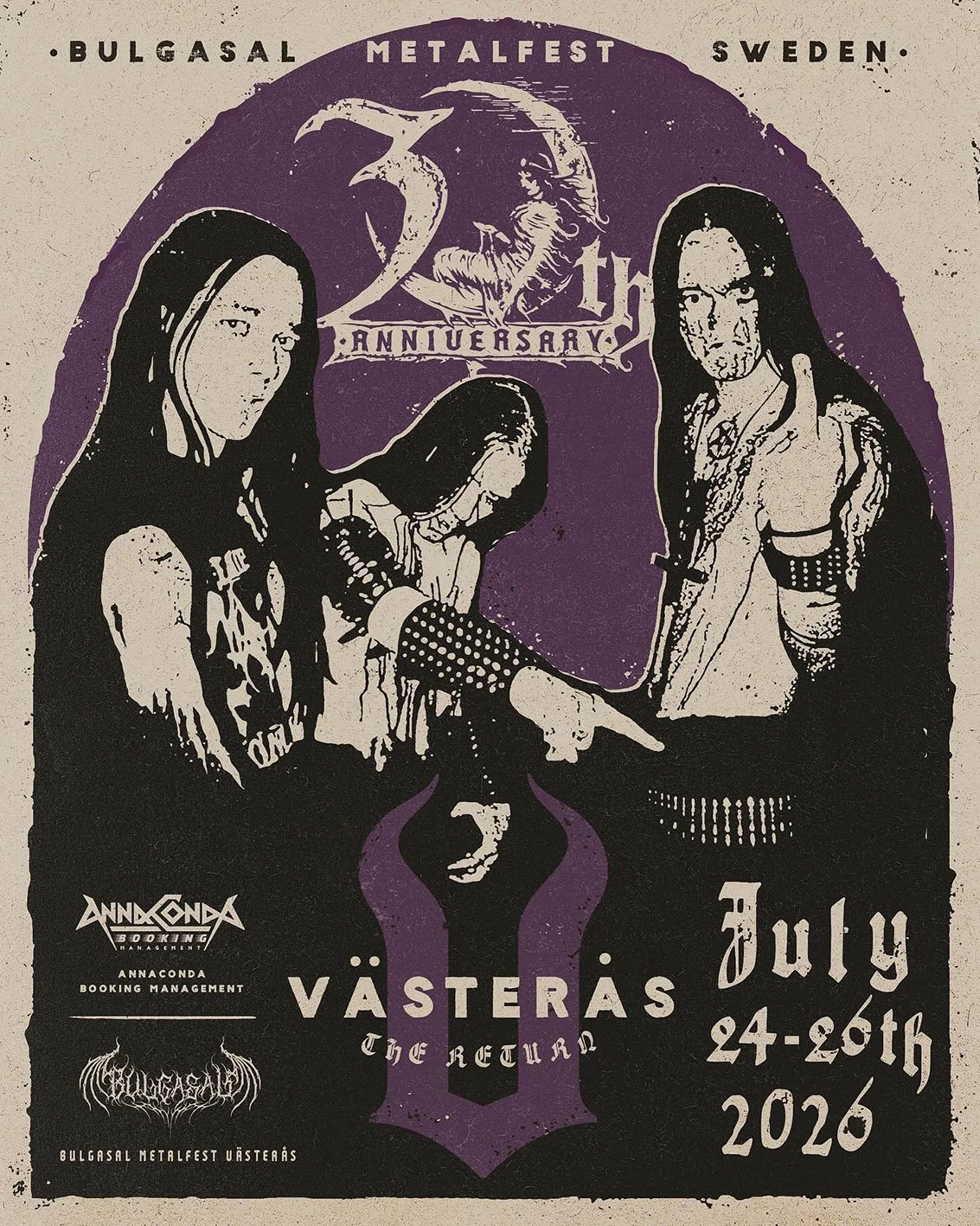
“Yes, we didn’t hesitate at all to go. Our manager knew a lot of other bands that had been there, and they had only positive things to say about the festival, the whole arrangement, and the people who work there. Everybody recommends it; a lot of big bands say good things, so it’s a huge credit already to Fortress Festival. We’re really excited to go. Every gig counts, but this is pretty special; this is the first UK gig, and hopefully not the last, so we have to make this one count. So, yeah, the pressure is definitely on.”
How is it to play the old songs as active musicians? Is it like returning to a comfy pair of old shoes, or is it challenging to return to the material after so long away?
“I don’t think it’s challenging, because it’s not very technical or advanced or difficult music. But that’s when the fun starts. Because the first thing we said was that if the spark didn’t exist when we rehearsed, then we were not going to do it. But the spark is there. And we all committed and made all the improvements needed because we don’t want to do anything… I mean, [the album] is what it is, we can’t turn it into something else. We don’t want to do that. Of course, it helps because we have a lot of positive feedback from people who have waited for this for 30 years. They’ve never seen us live, and if we don’t disappoint those people and they come up and say, ‘This was truly an experience,’ even if we ourselves are not that happy with our performance, then it’s worth it. They will actually say, ‘It reminds us of the 90s,’ and that’s very important for us. I don’t think we’re playing in front of a younger audience.”
I think in Scarborough, you may actually encounter a slightly younger audience. At least in previous years, the average age has been somewhat lower than at some other ‘traditional’ black metal festivals, and of course there are newer bands performing as well. What can longtime fans who haven’t seen you before, and those just discovering you now, expect from the live show? And how do you approach the setlist?
“First of all, the performance is based on the album, and we play it from start to finish. We want to give you that vibe that we would like to think that we had back then. It’s pretty straightforward, there’s not a huge stage show or anything like that. And it doesn’t really matter if we play in front of a lot of people or if it’s a smaller crowd, because we have already done that, played in front of some bigger crowds and some not as big, but really enthusiastic crowds. We try to do the album justice, because we do think it deserves to be played live.”
Interview by Dayal Patterson.
Shop for Vinterland at our store by clicking HERE