
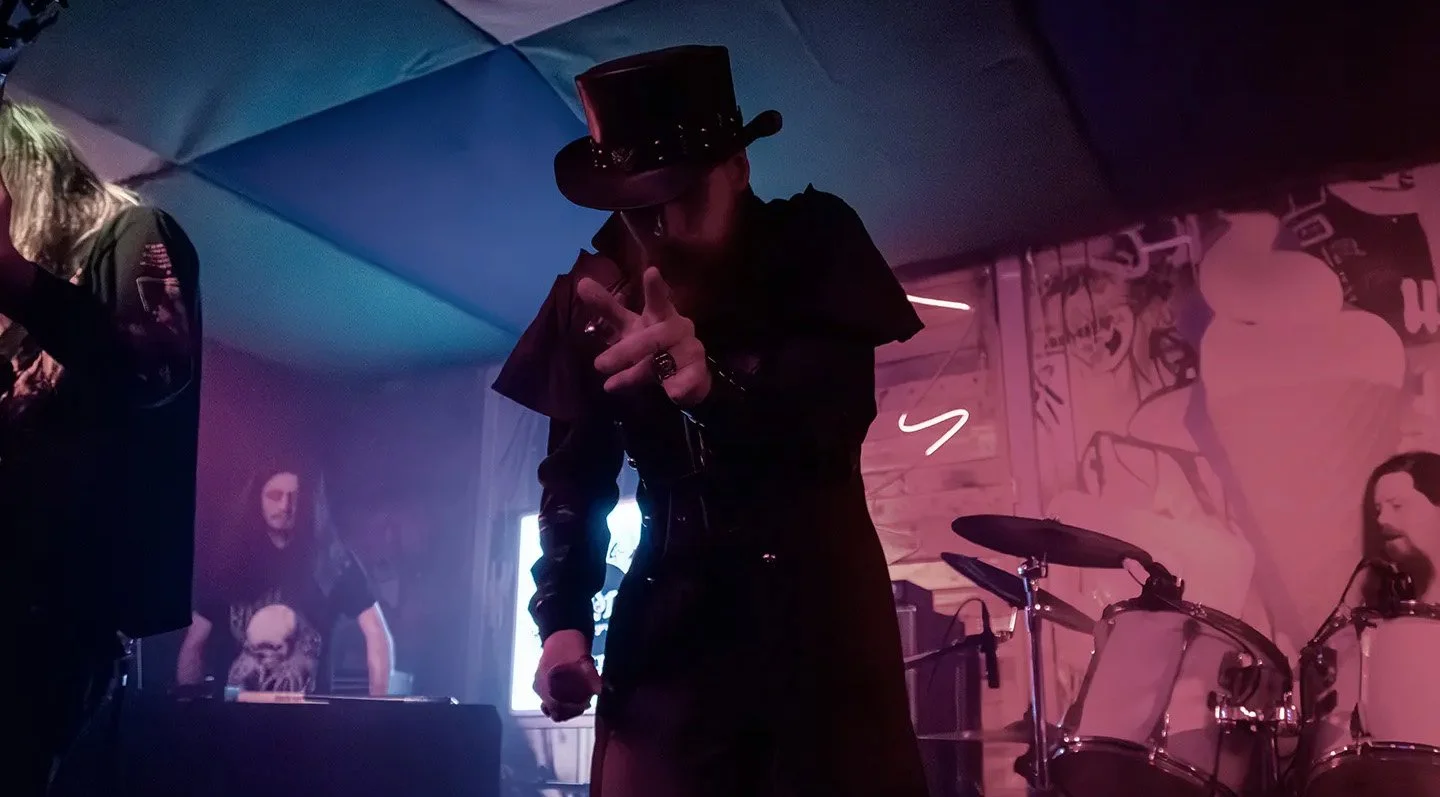
“if before a riff was influenced by jazz, there would be a metal riff followed by a jazz part and then metal again, whereas nowadays the actual riff is still extreme as fuck, but it could have easily started as a jazz, flamenco, reggae, samba motif or whatever.”
SCEPTOCRYPT
NEW INTERVIEW AND SINGLE
———————————————————
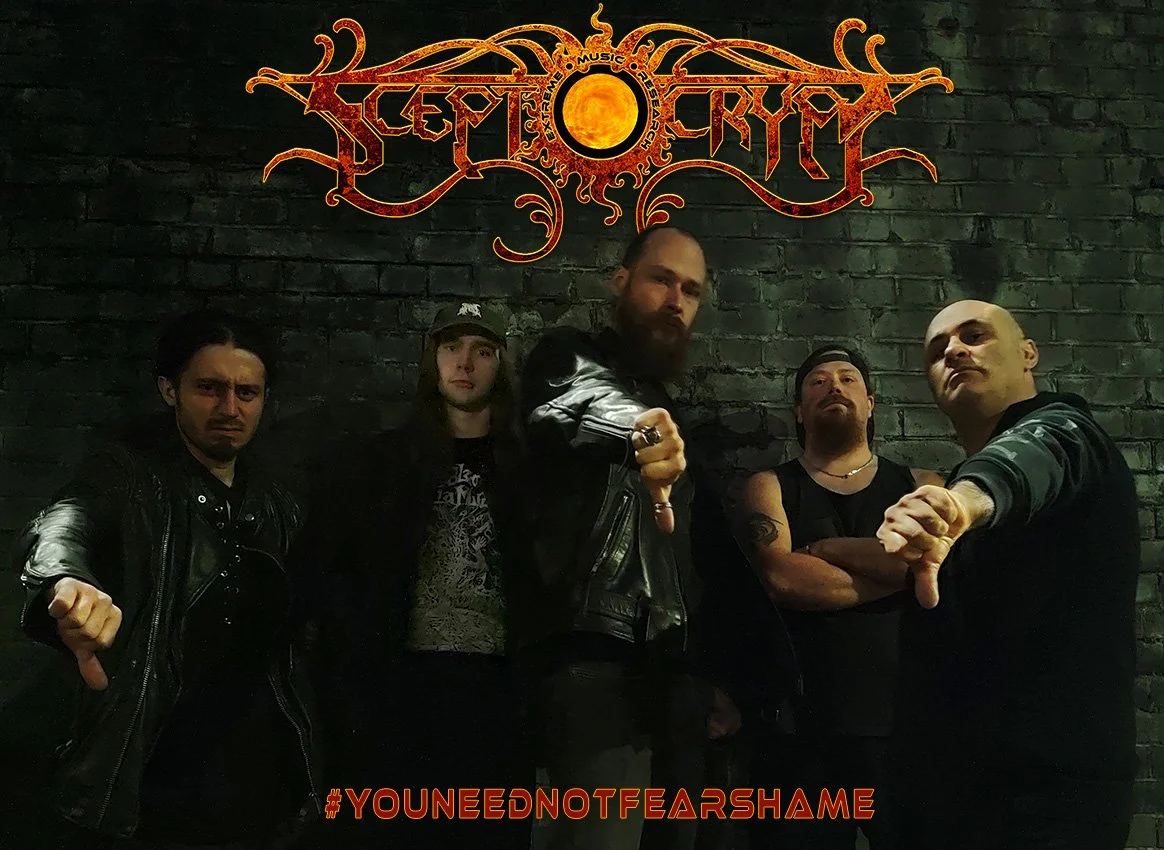
Formed on the historic island of Malta in the early 1990s, Sceptocrypt’s music was characterised from the beginning by a proudly non-conformist approach to extreme metal. Crafting their eclectic songwriting around death, black and doom metal, they blended these influences with jazz and progressive flourishes to create a unique and idiosyncratic sound.
With the band winding down at the turn of the millennium and guitarist and songwriter Malcolm Callus departing Malta for the less sunny location of London, it looked as though the band had been resigned to the history books. But a quarter century later, Sceptocrypt has returned, with a new line-up and a wealth of fresh material that marries the past with the present, and perhaps even the future. We caught up with Malcolm on one of his rare breaks between meals to discuss his perplexing creations in more depth…
Cult Never Dies: Let’s start by talking a little about the first incarnation of the group.
Malcolm Callus: “Hello Cultists! Sceptocrypt was founded in Malta in 1992 out of an ardent interest in the underground metal of the time, with both myself and original vocalist Marcel (R.I.P.) – and later his replacement Conrad – all heavily into tape trading. We released two demos, Wild Code of Reverie and Poor Crows, Give ‘em a Deal and a single, ‘Oratorio Mortem’. We also recorded a live show, Amaranth so Puissant, and a full-length studio album, !26hrs72mins ...The Need To Differ, both of which were only shared online many years later, when we tried to resurrect the band in 2015.”
What would you say your biggest influences were in the early days of the band?
“We were lucky to be exposed to the most experimental times in metal, i.e. the 90s. We always sought bands that had something to say and always listened to stuff other than metal. I would say bands like Atheist, Pestilence, Mekong Delta, Coroner, Renaissance, Misanthrope and Arcturus left their mark, as did classical composers like Rachmaninov & Górecki, and acoustic guitar lords like Al Di Meola and Egberto Gismonti.”
What led the band to wind down back in 1999, and how was Sceptocrypt finally resurrected after such a lengthy hiatus?
“Well, our drummer developed tinnitus yet ploughed his way through the recording of our debut album, only to part ways after. For a while, we could not find a replacement, which led to all of us going our separate ways. I took the decision to leave Malta, and once in London, I ended up forming a world music/jazz band called EthnaMorte. When that folded in 2014, I tried, albeit in vain, to resurrect Sceptocrypt (an idea that never abandoned me). Since 2022, I resumed hunting for musicians, and here we are in 2026, working on a full-length!”
How would you describe your music to those who have yet to hear you?
“Back in the day, we called ourselves ‘hybrid death metal’. Based predominantly around death, black and doom metal (at a time when the all-encompassing tag ‘extreme metal’ was still in its infancy), we did not shy away from being inspired by other non-metal genres, hence the tag.
Nowadays, the influences from non-metal have increased, but with that also our ability to hide them – in other words, if someone wants to just headbang, they might not notice the non-metal influences. To keep it simple, if before a riff was influenced by jazz, there would be a metal riff followed by a jazz part and then metal again, whereas nowadays the actual riff is still extreme as fuck, but it could have easily started as a jazz, flamenco, reggae, samba motif or whatever. Due to this augmented openness to variety, we nowadays call ourselves ‘extreme music research’.”
When resurrecting the band and writing new material, how important was it (or not) to offer continuity from your first era? Or does anything go when it comes to songwriting?
“Being the main songwriter and the only common denominator between older and newer Scepto, I would say limiting myself by trying to offer continuity would have been counterproductive. Years have passed, and I have been influenced by newer music, so allowing myself to be a sponge to that is more genuine. Having said that, the 90s extreme metal sounds are part of my DNA, so the result is a conundrum of nearly four decades of listening to varied music across different genres, but with the 90s metal at its core. On the other hand, I am surrounded by four new band members, who, besides being younger, are also from a different cultural background than mine. This naturally impacts the songs differently than if I had reunited with my ex-Maltese bandmates.”
Would you say your musical influences have changed dramatically over the years?
“Rather than changed, I would say further broadened. Sometimes people speak of having grown out of a style, but that is not my case. As a listener, I still get the same kick from extreme metal; it’s just that over the years I’ve become more enthused by other genres too. Speaking as a songwriter, I have always considered myself an artist, a musician and a metalhead simultaneously, without having to put either in any particular hierarchy. Nevertheless, sometimes one trait takes over, and I make a compositional decision accordingly.”
You’ve touched upon your broad range of (non-metal) musical influences - could you go into greater detail on this and how it might have impacted your approach to composing extreme metal?
“Well, my first exposure to non-metal influences was when I saw Dayal from Cult Never Dies shaking it to some dancehall by Buju Banton – it was a cold rainy evening in London, so after some beers from his side and more than one chicken wrap from mine, we decided to hit the reggae clubs next to Taco Bell to lose some unwanted fat. That vision is a nightmare that haunted – and continues to haunt – all my music thereafter (This is good to hear: It’s important to maintain some sort of influence, even in unexpected circumstances.) Kidding apart, do you have space for greater detail? And more importantly, do the readers care? Early into my musical trajectory, I studied this adventurous picking technique book by Al Di Meola, and that has definitely honed my skills when it comes to rhythm guitar creativity, coupled with the fact that I also studied lots of African and Latin American rhythms, themselves a sea of ideas when it comes to rhythm guitar.”
“During my time with EthnaMorte, my main composing partner in the band was heavily into reggae, so he exposed me to a lot in that field. Being also that band’s bassist, reggae has taught me a lot as far as bass is concerned, and unlike older days when Johann wrote all the bass lines, nowadays I share this task with our bass player Skyler. Moving onto the fretting hand, I have long been a fan of bebop jazz and avant-garde classical music, so for me, dissonant harmony is more pleasurable than straightforward easy listening. That may explain why we describe our new sound as a juxtaposition of dissonance and consonance. Our drummer Mark is always approaching songs from a groove perspective for the audience, and that in itself has an impact on how the songs end up.”
Tell us a bit about the new release – what was the creation process like, and how do you feel about it now that it’s ready to present to the public?
“Named ‘This Odometer Syndrome’, this song is one of our oldest from the new set. Lyric-wise, it dates to 1999, as it was one of two songs we wrote after the album was finished, and the lyrics are predominantly from that era, when it was foreseen that, with the advent of Y2K, all systems would fail. Revisited in 2025 to reflect the current technocracy of the prime scammers World Economic Forum, the lyrics hold true as fuck even in nowadays’ society. As the lyrical skeleton of this song was already set, this was the first track I created new riffs for – as I did not remember the ones from 1999 [laughs]. Available on our YouTube as a preview, the final version on the album will contain way more samples and a harsher industrial tinge.”
How would you say that song relates to your thoughts on technology in general?
“Well, due to our youngest Sceptocrypt member being in his 20s and the oldest in his 50s, our individual thoughts on technology within the band vary, as you can imagine. However, as a band, we all believe it is important not to let technological advances take over the human touch. Technology makes things easier, but when you let it take over, it makes mankind less smart. So this song also addresses the increasing dependence on technology (not just AI), and how important it is that future generations are taught how to create and resolve things without its usage.”
Tell me about the other two songs - are the three tracks linked thematically, or do they stand alone?
“‘Catharsis (A Place for Thorned Souls)’deals with art being the safe haven for artists, a sort of therapeutic release to express oneself in, and that through life’s tribulations, one ought to be resilient to present art, the only thing that survives. The audience does not care about an artist’s economic, love, work and whatever other shit and problems life throws their way, all the listener cares about is emotions they can feel for themselves. So the contradiction here is that within their own artistic solace, artists reach out more to others than by trying, as one playground for all thorned souls to unite as one.”
“On the other hand, ‘Cherish the Tail that Chokes you’ lives in duality. Primarily, it deals with anxiety and how it can be a lifesaver from doing worse things to oneself or others. In this instance, we reimagine the Norse myth snake Jormungandr, and just as it goes round the world to eventually bite its own tail, the protagonist of this song’s lyrics could be anyone’s anxiety, not viewed for the insomnia and restlessness it brings, but more as a strong force of will to combat – and bite off – worse-rooted traumas. That is why we end the song with a line that goes ‘Let your fire be your light, never your destruction!’ Secondly, it moves the Yin and Yang within us to how we relate to others. How often do we as humans have to deal with opposing opinions – as band members, in romance, at work, or whatever the case may be? In ‘Cherish...’ we look at the many times we feel like choking others by the head, but on reflection, that opposing perspective makes us take a better decision.”
“Even musically, each track can be experienced as a stand-alone or as a piece of a greater puzzle. Whereas ‘This Odometer Syndrome’ starts as doom/death to then develop into a thrash/death banger dressed with an industrial tinge, ‘Cherish...’ sees us merge black metal with jazz, whereas ‘Catharsis’ takes us more into an ethereal acoustic world that finally erupts into a ferocious avalanche.”
Let’s end by talking about your current plans as a band moving forward.
“We are currently working on a seven-song album; four of the songs we have already tested live at Dark Clouds over Camden and Metal to the Masses in London and Grim Reaper Fest in Malta and we are prepping the other three for recording and live shows. For those interested in seeing us live, we just passed the initial heat of Metal to the Masses, and will be playing the semifinals at the Dev on Saturday 9th May, competing for the finals on Sat 2nd July, hoping to play Bloodstock Festival. You can buy tickets here: https://wegottickets.com/f/19160
We are also looking for further gigs to put our name on the map. So if anyone interested to have us (either for local or overseas gigs), please contact us via sceptocryptmusic@gmail.com. To coincide with our comeback after 28 years, we have released a limited run of t-shirts centred around our Wild Code of Reverie demo as well as our more daring artwork longsleeve (with the new logo) that merges our 2024 The Wards Outside release and the current This Odometer Syndrome. This ships worldwide, but being a UK-based band, we are offering free postage on UK orders until mid-May 2026. To stay abreast of our developments, follow our website or our @sceptocrypt handle on socials.”
Interview by Dayal Patterson.
Sceptocrypt’s many links are below…
https://sceptocrypt.bandcamp.com
https://sceptocrypt.bigcartel.com
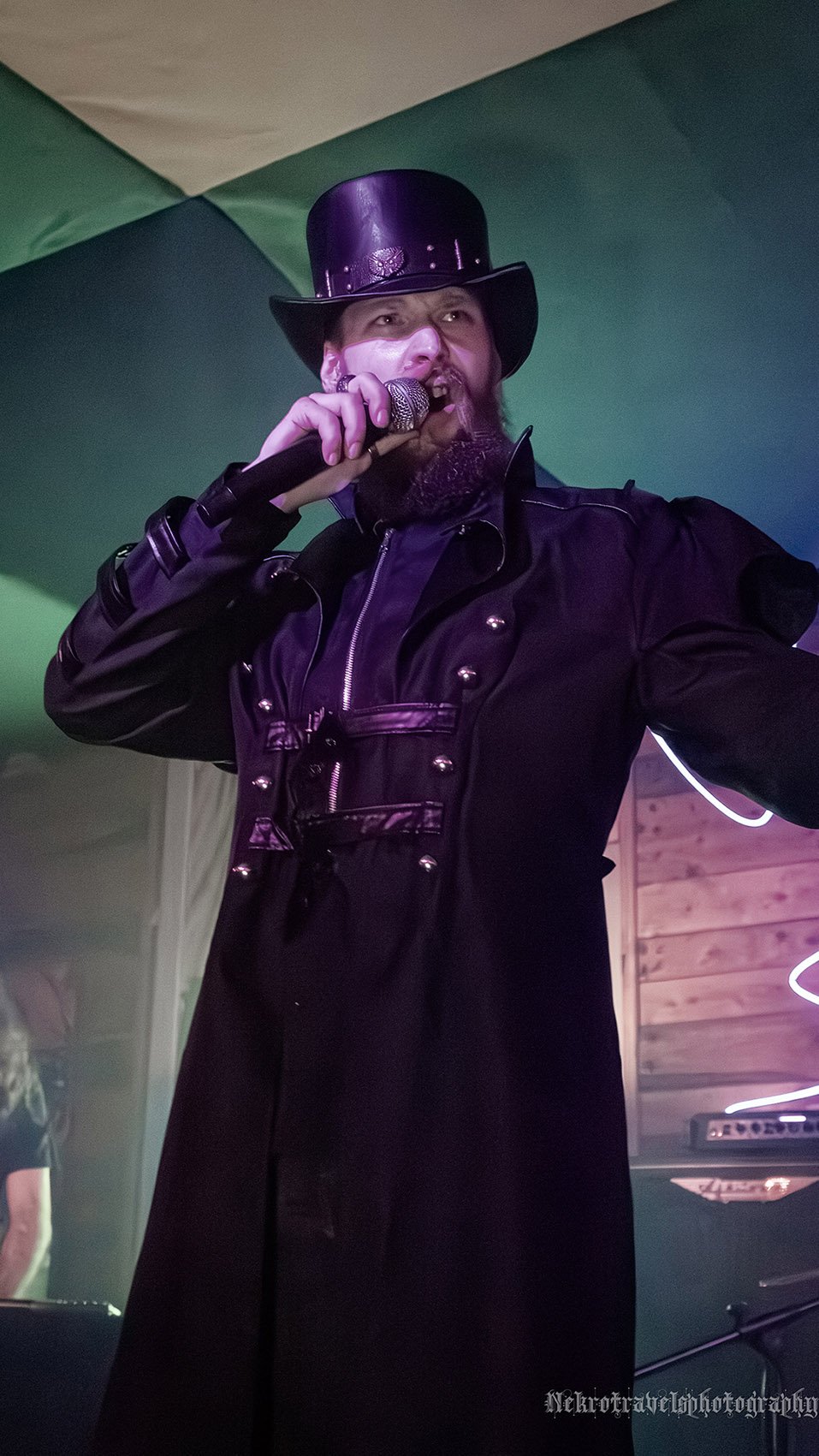
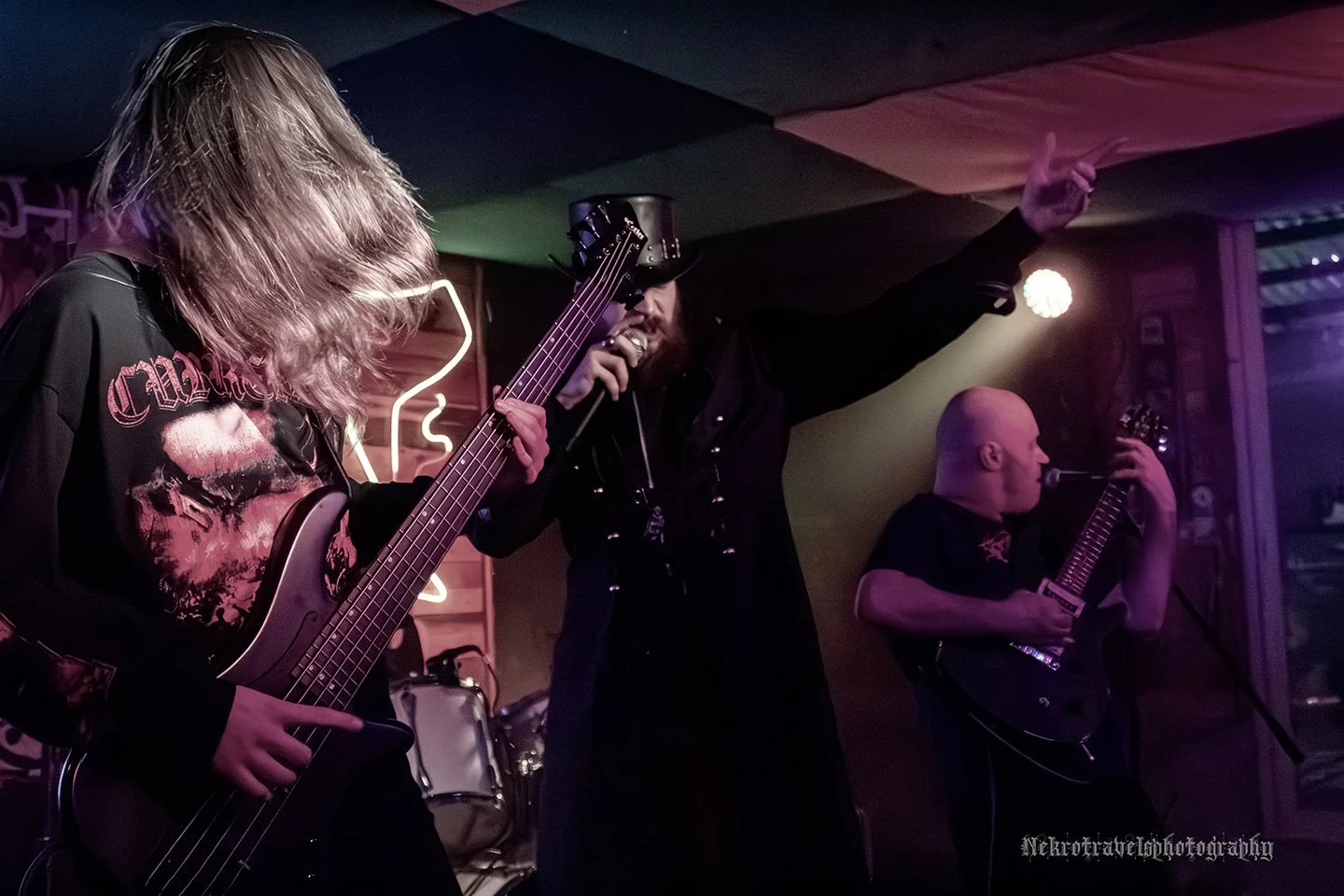
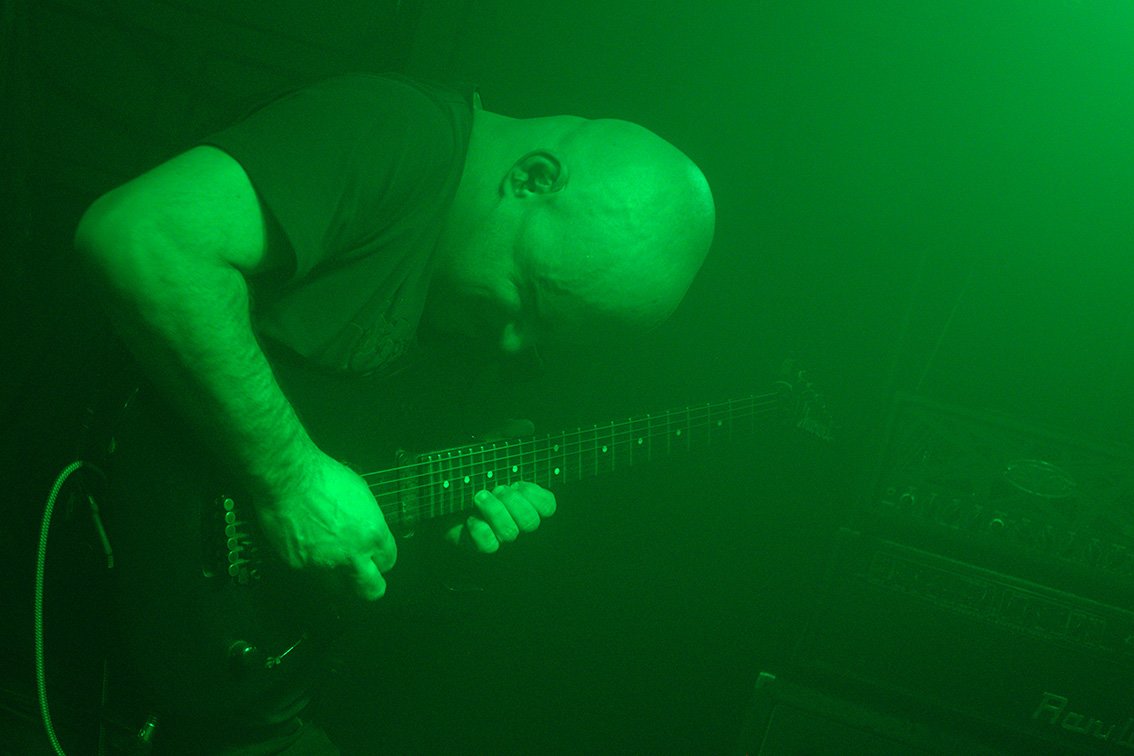
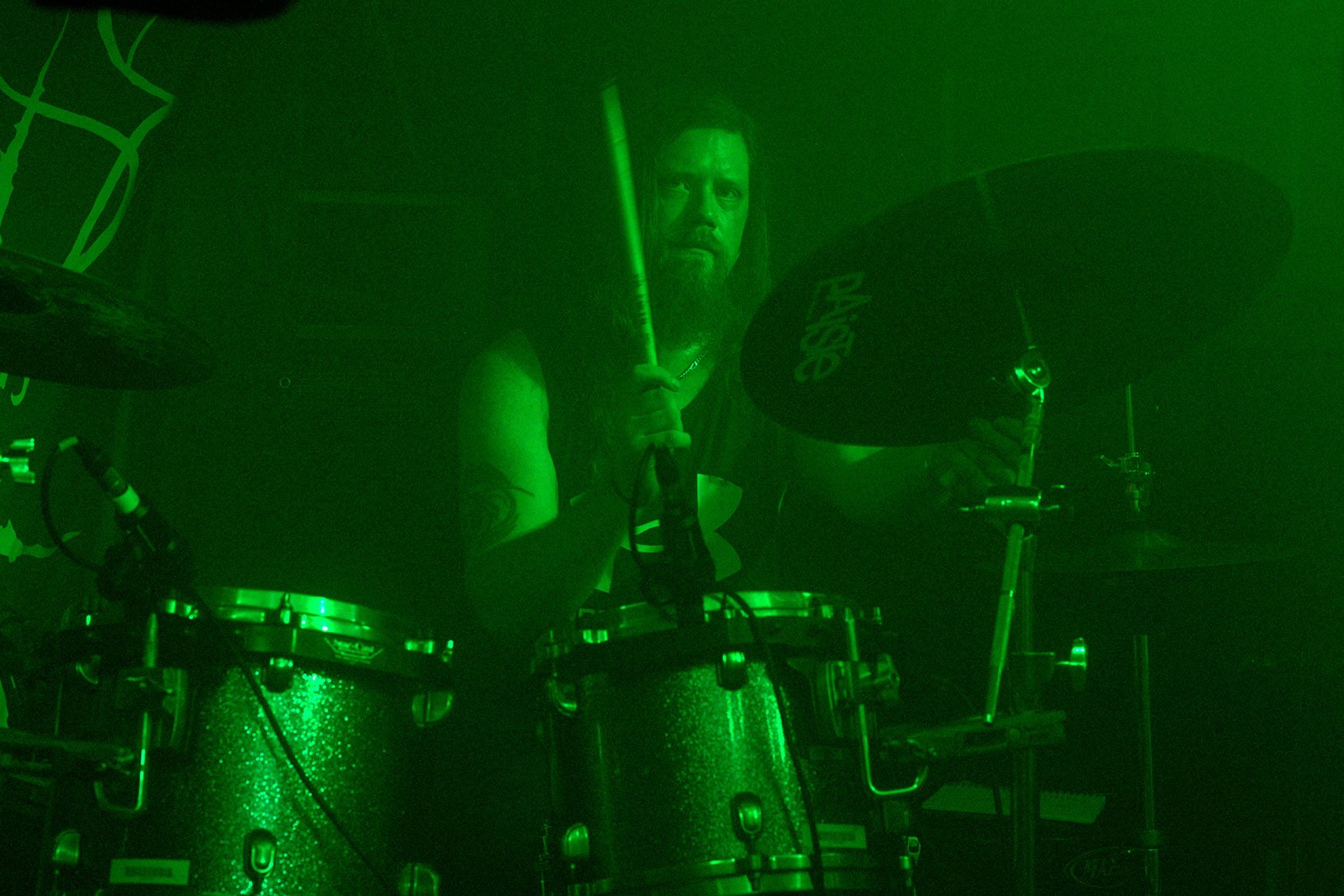
Live photos by Kevin Young and (where watermarked) Nekro Travels Photography.